• Get 20% off this month when you try our services!
  • 083 959 3782
  • 11 Rose Street, Johannesburg North, Randburg, Johannesburg, South Africa

Author Archives: fmm3d14

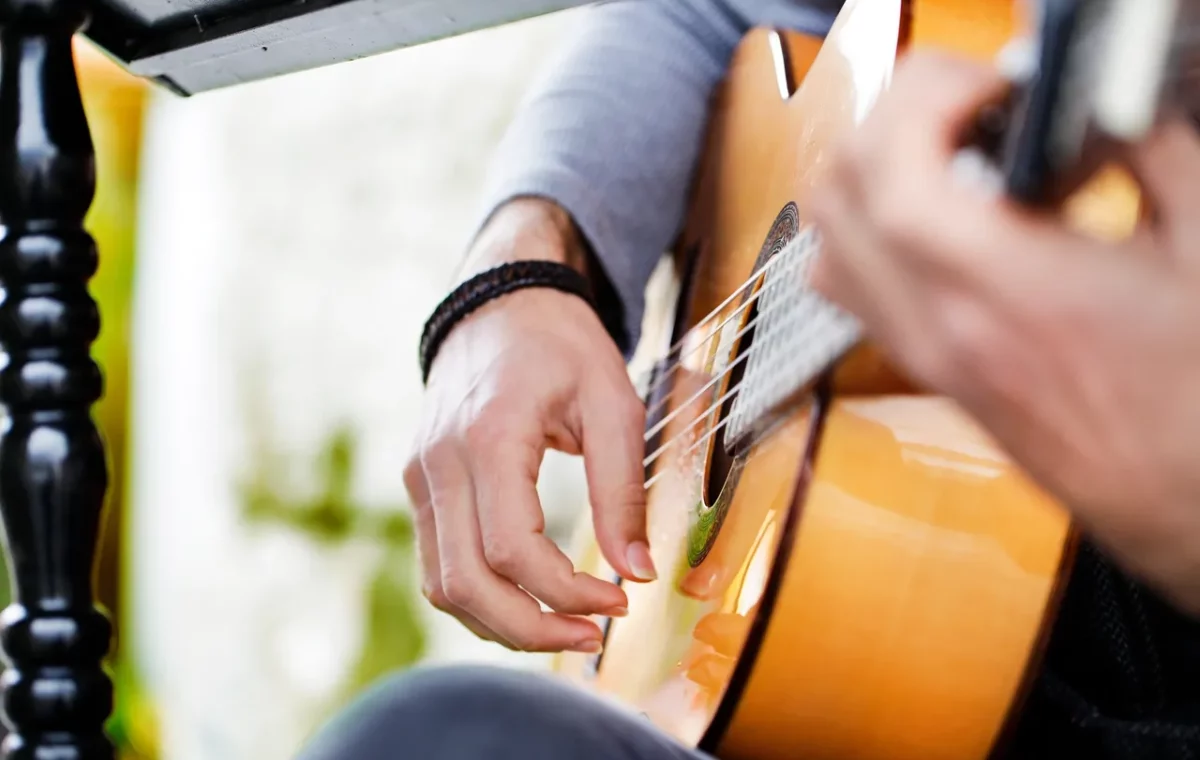
Student practicing acoustic guitar during an in-home music lesson with GHM Music Group
Categories General

The Joys (and Challenges) of Formal Music Education for Kids: Why

As a parent, you’ve probably seen your child turn a spoon into a drumstick or belt out a tune in the backseat. Kids are natural-born musicians, but is it worth starting formal music education or lessons when they’re still mastering the art of tying their shoelaces? Spoiler: Yes! But let’s be honest, the road to musical genius comes with its share of funny (and occasionally frustrating) moments.

As a parent, you’ve probably witnessed your child turn a kitchen spoon into a makeshift drumstick or belt out a catchy tune from the backseat, completely unprompted. Kids have a natural ability to make music wherever they are, whether it’s serenading their breakfast or inventing a new rhythm while stomping through puddles. So, you might be wondering: Is it worth channelling that musical energy into formal lessons, especially when your child is still perfecting the art of tying their shoelaces or remembering which shoe goes on which foot? Spoiler: Yes, absolutely!

But let’s be real, enrolling your child in Formal Music Lessons isn’t a shortcut to instant genius. It comes with its own delightful (and occasionally exasperating) moments: the hilarious way they insist on playing the same wrong note over and over, or the unique choreography they invent when they’re supposed to be practising scales. Yet, through all these ups and downs, there’s nothing more heartwarming than seeing their eyes light up when they finally master a melody or pull off an unexpected musical performance at a family gathering.

Why Formal Music Education Matters

From Mozart to Beyoncé, every musical prodigy started somewhere. While informal jamming sessions in the living room can be great, formal music education from age 6 can provide the structure kids need to really blossom.

Formal lessons are more than just learning notes and scales; they’re about shaping young minds and hearts. Research shows that children engaged in formal music education experience significant cognitive benefits, including improved memory, enhanced language skills, and sharper attention spans. Imagine your child using the same brain power that decodes musical patterns to ace a spelling test or comprehend a complex story? Music truly activates a wide range of mental abilities.

But let’s be honest: every child is different, and there is no one-size-fits-all approach to music education. Some kids thrive on detailed practice routines, while others need a more playful, exploratory path. As parents, it’s crucial to understand that music lessons work best when they’re tailored to your child’s personality and needs. If a rigid practice schedule leaves your child frustrated, it might be time to adjust the approach to make it more engaging and fun.

Beyond the cognitive perks, music education is a powerful tool for emotional growth. When children learn to express joy, frustration, or calmness through their instruments, they’re developing an emotional vocabulary that will serve them well in life. Music becomes a healthy outlet for emotions, and as parents, our role is to support this process. Celebrate small wins, be patient with setbacks, and remember that the goal isn’t perfection, it’s growth.

In the end, formal music education offers a pathway not just to intellectual development but to emotional resilience. By working with your child, understanding their unique rhythm, and creating a supportive environment, you can help unlock the extraordinary benefits music has to offer.

The Struggle is Real: Making Practice Time Work

Ah, practice time, every parent’s Everest. You’ve likely experienced it all: the sudden and urgent bathroom breaks, the dramatic sighs, the but my fingers are too tired, routine after 30 seconds of playing, and the look of sheer confusion as they try to remember if “C” comes before or after “D.” Getting a 6-year-old to focus on their daily music practice can feel like negotiating a peace treaty or, at the very least, a test of endurance.

Why It Feels So Hard

For young kids, the repetition and focus required to improve musically can be, well, a lot. And as a non-playing parent, it’s even harder when you’re unsure if they’re playing a piece correctly or just inventing their own avant-garde composition. But don’t worry, your role in this process is crucial, even if you’re not a musician. The goal isn’t perfection but progress, and there are ways to make practice time a little more harmonious for everyone involved.

What to Watch Out For and How to Help

  1. Signs of Frustration: If your child starts showing signs of irritation, like clenched fists or tearful eyes, it’s time to take a breather. Frustration often means they’re overwhelmed, not lazy. Suggest a short break, or have them play something simple that they enjoy to reset their mood.
  2. The “I Don’t Want to Stage: It’s normal for kids to resist practice now and then, especially when a piece feels difficult. As a parent, focus on encouragement rather than pressure. Turn practice into a game or reward system, where completing sections earns a small treat or points towards a bigger goal.
  3. Feeling Lost as a Non-Playing Parent: If you don’t play an instrument yourself, it’s okay! You can still be an incredible support. Start by asking your child to teach you what they’re learning. When they explain a note or rhythm to you, it reinforces their own understanding. Plus, this role reversal can be empowering for them.

Partnering with Their Teacher

Your child’s music teacher is your best ally. Communicate openly about your struggles during practice time at home. Teachers can offer customised strategies, like breaking practice sessions into manageable chunks or introducing fun, rhythm-based exercises. If your child thrives on variety, the teacher might suggest a mix of music games, ear training, or movement activities to keep things engaging.

Making Practice a Team Effort

Even if you’re not playing alongside them, there are ways to make practice time a shared experience. Sit nearby and be their cheerleader. If your child plays a short piece, clap along, sing with them, or give them a big high-five for effort. Kids love feeling like they have an audience, even if it’s just you, and your encouragement will keep them motivated.

Remember, practice time is not just about playing the right notes. It’s a journey full of small but significant victories. You’ll see that moment of magic: when they nail a piece after weeks of hard work, and their face lights up with pride. That’s when you realise every bathroom break, every tired-fingers excuse, and every laugh along the way was absolutely worth it.

A Well-Planned Practice Routine (Plus Home Concerts!)

Now, let’s talk about practice. It’s not enough to just sit down with the instrument and hope for the best; practice needs structure. A well-planned routine can turn those “I don’t want to practice!” moments into smoother, more productive sessions. Here’s a short plan to help:

  1. Warm-Up (5 minutes) Start with something fun and light, like finger exercises or playing through a favourite song. This helps get them in the mood to play.
  2. New Material (5-7 minutes)  Focus on learning new notes, rhythms, or techniques. Break it down into small sections baby steps make everything less overwhelming.
  3. Review (5 minutes) Play through previously learned pieces. The goal is to reinforce what they know and build confidence.
  4. Fun Time (5 minutes)  Let them choose a song they love or just improvise! Creativity is key, and letting them explore keeps their passion alive.

And here’s the fun part: The Weekly Home Concert! Every week, no matter how far they’ve come with the song, your little musician will give a mini-concert for the family. Whether it’s perfect or still a work in progress, this performance builds confidence. It teaches kids that every note they play is worth celebrating, and it becomes part of the family’s routine, a tradition that brings everyone closer.

Support, Support, Support!

During practice, be their biggest fan. Don’t just sit back and let them listen to Do Re Mi for the tenth time Sing along, clap to the beat, and cheer them on. Your involvement shows them that their progress matters and that they’re not alone in the journey.

Celebrate every little win, whether it’s finally hitting that tricky note or just making it through practice without a meltdown. They’re learning that diligence and persistence pay off. Speaking of which?

Perfect Practice Makes Perfect

You’ve heard the saying practice makes perfect, but let’s tweak well-planned, structured practice makes perfect. It’s not just about repeating the same song over and over. It’s about practising with intention, focusing on the tricky parts, and making small improvements each time. The goal isn’t to get it right every time but to get a little better with each session.

Wrapping Up: The Long-Term Payoff of Formal Music Education

Music education is one of the best gifts you can give your child. Not only will they learn how to play an instrument, but they’ll also develop skills like patience, persistence, and confidence. And who knows? Maybe you’re raising the next great composer, or at the very least, someone who can impress the family at the next holiday gathering.

Want to know more about why music theory is needed in lessons? Head over to our page and read more

Follow us on our FACEBOOK page
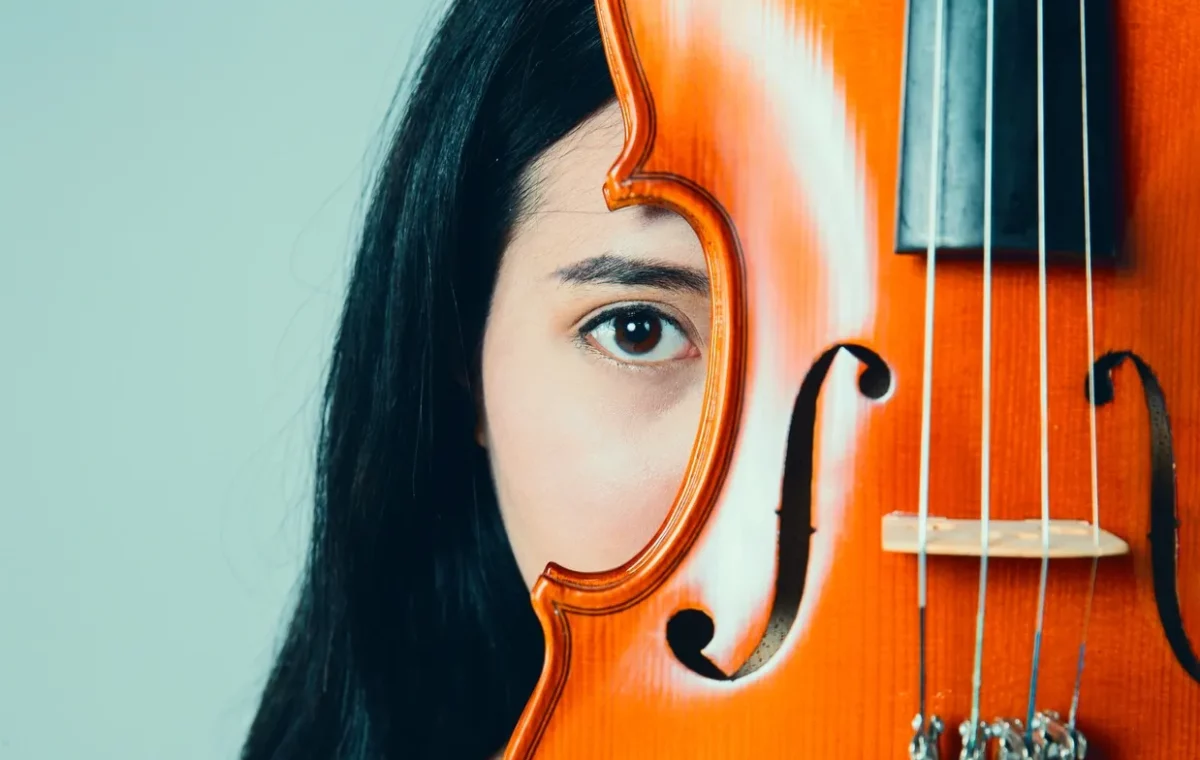
Violin
Categories General

5 Benefits of Learning Violin for Young Beginners

Learning a musical instrument can be one of the most rewarding and enriching activities for children. Among the wide array of instruments, Learning Violin stands out as an excellent choice, especially for young beginners. Not only is it versatile and accessible, but the violin also offers valuable foundational skills in music theory, discipline, and emotional expression. In this article, we�ll explore the top five benefits of learning the violin at a young age and why it�s such a fantastic first instrument for budding musicians.

The Violin is an Instrument That Can Be Started at a Young Age

Why Start Young?
Starting musical training in childhood is often linked to various developmental advantages, from cognitive and motor skills to emotional intelligence. The violin, with its accessibility in different sizes, allows even the youngest learners to begin their musical journey. Violin sizes range from 1/32 to full size, making it possible for children as young as three to find a violin that fits their small hands.

Long-term Skill Development
Starting violin early enables children to develop crucial skills over time, like finger dexterity, hand-eye coordination, and a keen ear for pitch and rhythm. Learning to play the violin also instills patience and perseverance, as it can take time to build tone quality and technique. These skills often benefit children well beyond their musical education, carrying over into other academic and life pursuits.

A Lifelong Relationship with Music
Children who start learning an instrument at a young age are more likely to carry that skill into adulthood. The violin�s rich tradition and versatility make it suitable for playing various genres as they grow, from classical and folk to jazz and pop.

Introduction to Treble Clef Reading

Why Treble Clef Matters
The violin uses the treble clef, one of the fundamental clefs in music notation. By learning to read this clef, young musicians gain essential literacy in sheet music, which can translate to other instruments and enrich their overall understanding of music.

Cognitive Benefits of Reading Music
Reading and interpreting musical notation engages the brain in unique ways, improving focus, memory, and spatial-temporal skills. Research has shown that learning to read music notation positively impacts other academic areas, particularly math and language skills. For children, this cognitive stimulation can foster a love of learning that extends well beyond music.

Transferable Skills
Learning the treble clef through the violin opens doors to other instruments that also use this clef, such as the flute, trumpet, and guitar. This foundation can make future musical pursuits smoother, as they�ll already be familiar with the notation system.

Foundation in Music Theory

Building Blocks of Music Theory
The violin provides young learners with a solid introduction to music theory. Concepts like scales, intervals, and key signatures become tangible as students learn to play different pieces. Unlike some other instruments, the violin requires players to intently listen and adjust their pitch, giving them a natural way to understand musical structure and harmony.

Applying Theory in Practice
Studying music theory alongside learning the violin helps children understand what they�re playing on a deeper level. This theoretical knowledge enables them to interpret music with greater expression and creativity, often resulting in a more fulfilling musical experience.

A Gateway to Other Instruments and Advanced Music Education
A solid understanding of music theory sets children up for success if they choose to explore other instruments later on. The skills learned through violin lessons provide a bridge to more advanced musical study and open up the potential for ensemble playing, where understanding harmony and rhythm becomes crucial.

Cost-Effective Options for Families
One of the significant advantages of the violin is its affordability. Violins for beginners come at a variety of price points, and parents can also consider rental options, which are especially popular among families who want to test their child�s interest before making a larger investment. Compared to instruments like the piano or cello, the violin offers a more accessible entry point for young students.

Rental Programs and Community Access
Many schools, community music programs, and local music shops offer rental services for beginner violins. Renting allows families to provide their children with a quality instrument without a large upfront cost. Additionally, as the child grows and needs a larger violin, rentals can be exchanged for the correct size, making it a practical solution for young beginners.

Widespread Availability of Teachers and Resources

Because the violin is a widely taught instrument, there are many qualified instructors, both in-person and online, who specialize in teaching young children. Additionally, online tutorials, apps, and music learning platforms provide extra support for parents who want to help their children practice at home. This accessibility makes it easy for families to find the guidance and resources needed for success.

A Brief History of the Violin

Renaissance Beginnings
The violin we know today originated in northern Italy during the 16th century. Its early ancestors include the fiddle and the lira da braccio, which were common string instruments at the time. The design of the violin as we know it was perfected by renowned Italian craftsmen like Andrea Amati and, later, Antonio Stradivari, whose violins are still celebrated for their exceptional sound quality.

Evolution Through the Baroque Era and Beyond
The violin rose to prominence during the Baroque period, with composers such as Vivaldi, Bach, and Corelli writing complex and beautiful works for the instrument. It continued to be a favorite in classical music throughout the centuries, adapting to different styles and techniques.

The Violin in Modern Music
Today, the violin is found in almost every genre of music, from classical and folk to jazz, rock, and pop. Its adaptability has made it a mainstay in orchestras, chamber music, and solo performances. This rich history and cultural significance make the violin a compelling choice for children who may later choose to explore various musical genres.

By introducing children to the violin, parents provide them with an opportunity to develop confidence, creativity, and an appreciation for the art of music. Whether they pursue music professionally or simply enjoy it as a hobby, the skills and memories gained from learning the violin are invaluable.

Contact us today to book violin lessons

Piano
Categories General

Unpacking Music Lessons

Music transcends boundaries, cultures, and generations. Whether it’s the soothing melodies of the piano, the expressive tones of the violin, the rhythmic strumming of the guitar, or the emotive power of vocal performances, music enriches our lives in profound ways. Engaging in music lessons can be a life-changing experience, offering benefits that extend far beyond the ability to play an instrument. This comprehensive guide delves into the myriad advantages of music lessons for both you and your child, highlighting how Global’s exceptional programs can help you achieve your musical aspirations.

Why Music Lessons for You and Your Child

Cognitive Development

Engaging in music lessons has been scientifically proven to enhance cognitive abilities. Learning to play an instrument stimulates brain regions responsible for memory, attention, and spatial-temporal skills.

Reference: According to a study published in Nature Reviews Neuroscience, musical training can increase IQ and improve performance in other academic areas (Schellenberg, 2004).

Emotional Intelligence

Music is a universal language of emotions. Through music lessons, individuals learn to express and interpret complex feelings, fostering greater emotional awareness and empathy.

Social Skills and Teamwork

Participating in music ensembles or group lessons enhances social interaction and teamwork. Students learn to listen, collaborate, and communicate effectively with others.

Discipline and Patience

Mastering an instrument requires dedication and practice. This process teaches valuable life skills such as discipline, patience, and perseverance.

Let Music Become a Critical Part of Your Child’s Early Education and a Crucial Part of Your Day for Stress Relief and Enjoyment

Introducing music at a young age significantly impacts a child’s development. It enhances language acquisition, motor skills, and cognitive functions.

Reference: The Journal of Educational Psychology reports that children exposed to music education show improved literacy and numeracy skills (Hallam, 2010).

Stress Relief for Adults

For adults, playing an instrument or singing serves as a therapeutic outlet. It reduces stress hormones and promotes relaxation.

Enhancing Quality of Life

Music brings joy and fulfillment. It enriches daily life, providing a creative outlet and a sense of accomplishment.

Why Having a Private Lesson with a Dedicated Teacher Helps

Personalized Learning Experience

Private lessons offer customized instruction tailored to individual learning styles and goals. This personalized approach accelerates progress and maximizes potential.

Immediate Feedback and Guidance

A dedicated teacher provides instant feedback, helping students correct mistakes and refine techniques in real-time.

Building Confidence

One-on-one instruction fosters a supportive environment, boosting self-confidence and encouraging students to take on new challenges.

Flexible Pace

Students can progress at their own pace, spending more time on challenging concepts and advancing quickly through mastered skills.

Music Lessons at Home: The Obvious Reasons Why It Saves Time and Money and Makes Life Easier

Convenience and Comfort

At-home music lessons eliminate travel time and logistical hassles. Learning in a familiar environment enhances comfort and focus.

Cost-Effective

Reducing the need for commuting saves money on transportation. Additionally, flexible scheduling can prevent missed lessons, ensuring consistent progress.

Customized Environment

Students can tailor their learning space to suit their preferences, creating an optimal setting for practice and instruction.

Safety and Health

At-home music lessons eliminate travel time and logistical hassles. Learning in a familiar environment enhances comfort and focus.

Cost-Effective

Reducing the need for commuting saves money on transportation. Additionally, flexible scheduling can prevent missed lessons, ensuring consistent progress.

Customized Environment

Students can tailor their learning space to suit their preferences, creating an optimal setting for practice and instruction.

Safety and Health

Especially relevant in today’s context, at-home lessons minimize exposure to health risks associated with public spaces. Especially relevant in today’s context, at-home lessons minimize exposure to health risks associated with public spaces.

Why Global Has the Right Methods Including Music Examination for Students Looking to Complete and Compete in the International Space

Innovative Teaching Methods

Global employs cutting-edge teaching methodologies that blend traditional techniques with modern educational practices, ensuring a comprehensive learning experience.

Accredited Music Examinations

For students aiming for formal recognition, Global offers preparation for internationally recognized music examinations. This accreditation can open doors to global opportunities.

Experienced Instructors

Global’s faculty comprises highly qualified professionals with extensive experience in performance and education, providing students with unparalleled guidance.

Global Community and Networking

By joining Global, students become part of an international network of musicians, offering opportunities for collaboration and cultural exchange.

Competitive Edge

Global’s programs are designed to prepare students for international competitions and performances, fostering a competitive spirit and excellence.

Starting the journey of music lessons is an investment in personal growth, education, and well-being. Whether you’re seeking to enrich your child’s early education or looking for a fulfilling hobby to relieve stress, music offers unparalleled benefits. With the convenience of at-home lessons, the personalized touch of private instruction, and Global’s innovative methods, achieving musical excellence is within reach. Embrace the transformative power of music and let it elevate your life to new harmonious heights.

45 Minutes a week is the perfect place to start!

Getting Started.

  • Foundations of Music
  • Reading Musical Notations
  • Preparation of first musical examinations and mock examinations